Lens 02 · Drafts

Drafts, Vetoes and Map Pools Under the Microscope

Games are often half decided before the first round starts. This lens covers how a consultant measures the pick-and-ban phase and the map veto, and how to tell preparation from habit.

Updated 12 January 2026 · 7 min read

What a Draft Actually Encodes

A draft is a compressed game plan. In League of Legends, each side bans five champions and picks five across two ban phases; in Dota 2, Captains Mode alternates bans and picks in a fixed order. Every choice reveals what a team fears, what it trusts and how it intends to win: early skirmishes, a scaling teamfight, split pressure or objective control.

In Counter-Strike 2 and Valorant the equivalent is the map veto. A best-of-three in CS2 typically runs ban, ban, pick, pick, ban, ban, with the remaining map as the decider from a seven-map Active Duty pool. Valorant's VCT uses a comparable veto from its own rotating pool. The veto tells you which maps a team considers safe and which it hides.

The analyst's task is to separate three things that look identical on a results page: deliberate strategy, comfort habit and reaction to the opponent. Only the first deserves to be copied or countered directly.
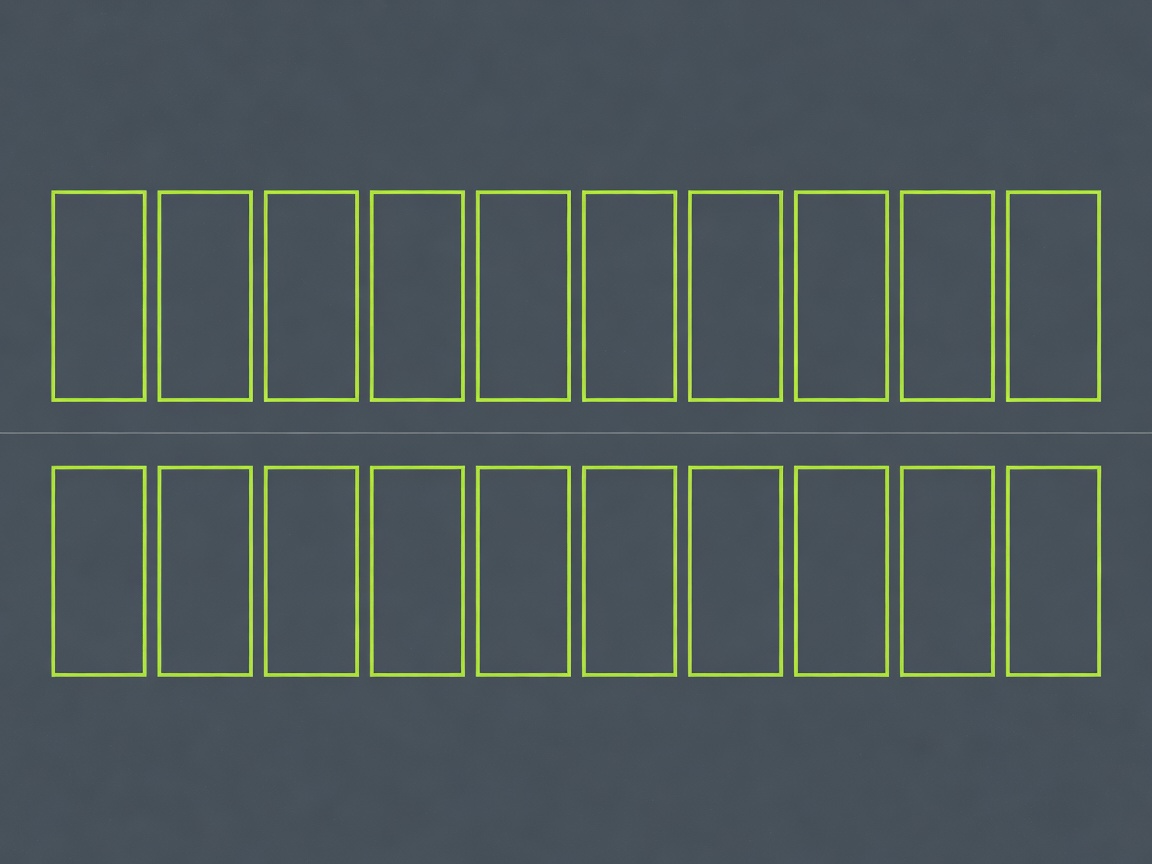
Flat vector draft board with ten pick slots and ban slots outlined in lime on slatePick order

Slots carry meaning

Which slot a champion or map is taken in matters as much as the choice itself.

Veto Logic in Best-of-Three

For shooters, consultants usually build a map pool matrix: rows for your maps, columns for the opponent's, each cell holding recent win rate, rounds won per side and sample size. The matrix makes the veto a calculation rather than a feeling.

Two patterns recur. Teams first-ban the same map regardless of opponent, which hands rivals a free read. And teams pick their best map when a better choice would be the map where the opponent is weakest, even if your own record there is only average. Measuring both sides of the matrix exposes that gap.

Comfort Picks Versus the Meta

The meta is what top teams play on the current patch; comfort is what your players execute best. Neither is automatically right. A consultant measures both: priority rates from leagues such as the LCK and LEC on the same patch, and your own players' performance on each pick across scrims and officials.

Fearless draft formats, adopted by several major League of Legends leagues in 2025, make this harder by forbidding repeat champions within a series. Depth of champion pool becomes a measurable asset, and an analyst should report it per player.

Draft and Map Pool Metrics

MetricWhat it tells a coach
Pick-ban presenceShare of drafts in which a champion or hero is picked or banned. The clearest public signal of patch priority.
First-pick win rateResults when a team holds first pick, versus counter-pick position. Tests whether side selection is being used well.
Map pick win rateResults on maps a team chooses itself, separated from deciders and opponent picks.
Permanent ban rateHow often a team bans the same map or champion. High values are a scouting gift to opponents.
Champion pool depthNumber of picks per player with an acceptable recent record. Critical under fearless draft rules.
Side-split roundsRounds won on attack and defence per map. Shows whether a map is strong overall or only on one half.

First Pick and Flex Picks

Flex picks, champions or heroes playable in more than one role, are valuable because they hide intent until late in the draft. Analysts quantify this by tracking how often an early pick ends up in each role. If your flex pick always lands in the same lane, it is no longer a flex pick to anyone with a spreadsheet.

First pick is worth measuring rather than assuming. Some patches reward securing a single dominant champion; others reward the last counter-pick. Your own split of results by draft position answers which applies to you.

Mistakes That Repeat

  • Drafting for a composition the team has not practised in scrims.
  • Banning out the opponent's best player instead of its best system.
  • Ignoring decider maps until the morning of the match.
  • Treating one tournament's results as a full patch sample.

Drafts are only as good as the review that follows them, which is the next lens.

Continue to the review workflow