Why Public Data Comes First
Every official match an opponent plays leaves a trail. Counter-Strike 2 tournaments publish demo files. Riot's leagues and third-party trackers record drafts, gold curves and objective timings for League of Legends. Dota 2 replays are parsed by services such as OpenDota and STRATZ within minutes of a game ending. None of this requires a private contact, a leaked scrim or a favour.
The claim behind this lens is simple: most teams under-use this trail. They watch an opponent's last grand final, take a few notes and call it preparation. A consultant instead treats the opponent's recent official matches as a dataset, usually the last fifteen to thirty maps or games on the current patch, and asks the same structured questions of every one. That consistency is the difference between an impression and a tendency.
Public scouting is also the cheapest work to audit. If a consultant's opponent report cannot be traced back to specific matches and timestamps, you have learned something about the consultant.
Paths before results
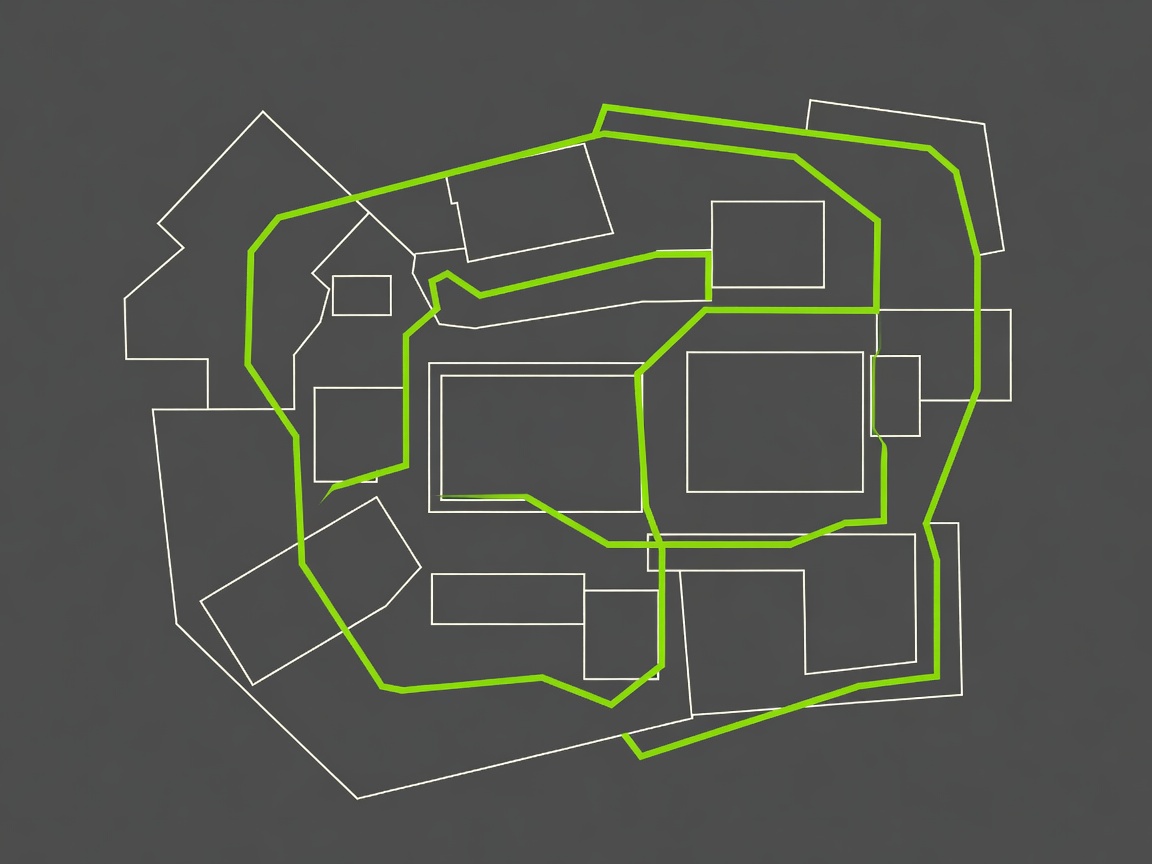
Rotation habits show up on a minimap long before they show up in a win-loss record.
Where the Numbers Live
Counter-Strike 2: HLTV.org for match pages, player ratings and downloadable demos; Leetify and Scope.gg for parsed demo statistics such as utility usage and trade timing.
Valorant: VLR.gg for VCT and Challengers match records, map picks and agent compositions.
League of Legends: Oracle's Elixir and Games of Legends (gol.gg) for professional match data across the LEC, LCK and other leagues, including gold and experience differentials.
Dota 2: OpenDota and STRATZ for parsed replays, laning outcomes and item timings. Liquipedia ties all four together with rosters, results and tournament formats.
From Raw Stats to a Scouting Pack
A workable pack is short. Analysts typically pull the sample, filter it to the current patch and active roster, then compute a small set of rates per map or per side. Next they watch only the rounds or fights where the numbers look unusual, because those clips explain the number.
The output is one page per map or draft scenario: three tendencies, the evidence for each with match links and timestamps, and one suggested counter. The coach should be able to disagree with any line and check the clip in under a minute. If a pack runs to forty slides, the analysis has not been finished; it has only been collected.
Scouting Metrics, Defined
| Metric | What it tells a coach |
|---|
| Opening duel win rate | Share of rounds where the team wins the first kill. Shows how aggressively and how well an opponent contests early space. |
| Trade rate | Share of a team's deaths avenged within roughly five seconds. Low values point to spread-out positioning or late support. |
| Pistol and conversion rate | Pistol round wins, and how often those wins become the following two rounds. Measures economic discipline after a strong start. |
| Site hit frequency | How often each site is attacked per side, split by buy type. Reveals defaults and comfort zones. |
| Gold difference at 15 minutes | League of Legends early-game indicator. Separates teams that build leads in lane from teams that rely on late teamfights. |
| First objective timing | When the first dragon, herald, tower or Roshan is taken. Shows how an opponent plans its early map. |
| Ward placement clusters | Where vision is placed by game phase. Predicts the routes a jungler or support expects to use. |
Limits a Consultant Should Admit
Public data has three honest weaknesses. First, small samples: ten maps on one patch can make a coin flip look like a strategy. Second, patch churn: a balance update can retire a tendency overnight, which is why League replay files only play on the patch they were recorded. Third, hidden preparation: teams save strategies for playoffs, so group-stage data understates what they will show in elimination games.
A good analyst labels confidence on every claim and says when the sample is too thin to support one.
What a Good Pack Looks Like
Look for these traits when you evaluate any scouting deliverable: a stated sample and date range, rates rather than raw counts, timestamps for every claim, separation of opponent tendencies from recommendations, and a closing list of open questions the data could not answer.
Scouting feeds directly into preparation for the pick-and-ban phase, which is the next lens.
Continue to drafts and vetoes